Planned servicing and testing for fire alarms, AOVs and emergency lighting.
A maintenance contract means an engineer turns up on a set schedule, tests your system against the standard it was designed to, fixes what can be fixed on the day, and leaves a certificate and a log book entry proving the visit happened. We put fire alarm, AOV and smoke ventilation, and emergency lighting on one contract, with one engineer who knows the building and one set of paperwork.
Under the Regulatory Reform (Fire Safety) Order 2005, article 17, the responsible person for non-domestic premises must keep fire safety systems and equipment in efficient working order, under a suitable system of maintenance. That covers the fire alarm, AOV and smoke ventilation, emergency lighting and any other fire protection equipment fitted. It does not stop the day the installer hands the keys over.
When the fire service, a building safety inspector or an insurer turns up, the log book is usually the first thing they ask for. A system that has never had a fault reported is not proof it works. A dated service record is.
01 / 03
Planned visits at the right frequency, from the engineers who know the system.
What we maintain, and how often
Fire alarm systems
BS 5839-1. Weekly call point test on site, our service visit at least every six months, every detector checked at least once a year.
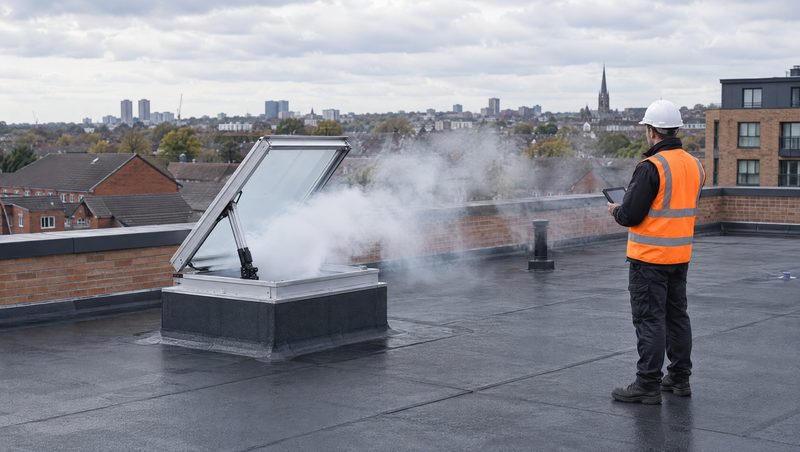
AOV and smoke ventilation
BS 9991, EN 12101 and manufacturer's guidance. Weekly function test, service visit typically every six months, full cause and effect test at least annually.
Emergency lighting
BS 5266-1. Monthly function test, full annual test on battery for its rated duration, normally three hours.
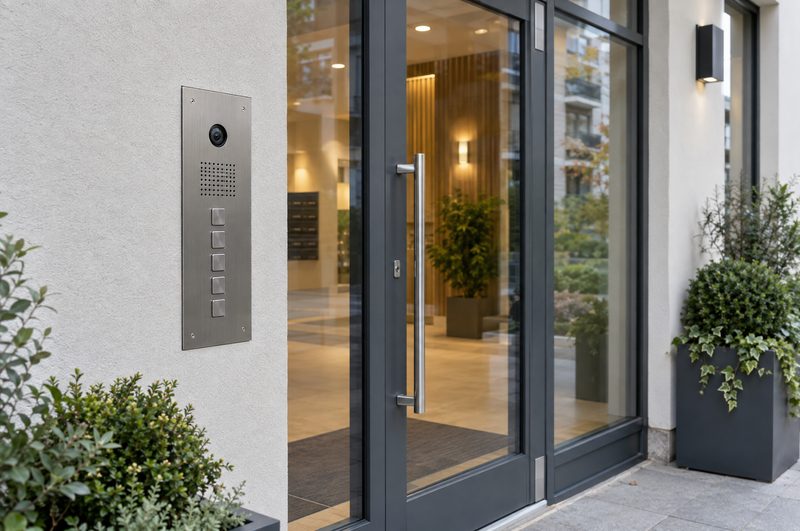
Door entry and access control
Fail-safe release checks to BS 7273-4 for any door linked into the fire alarm cause and effect.
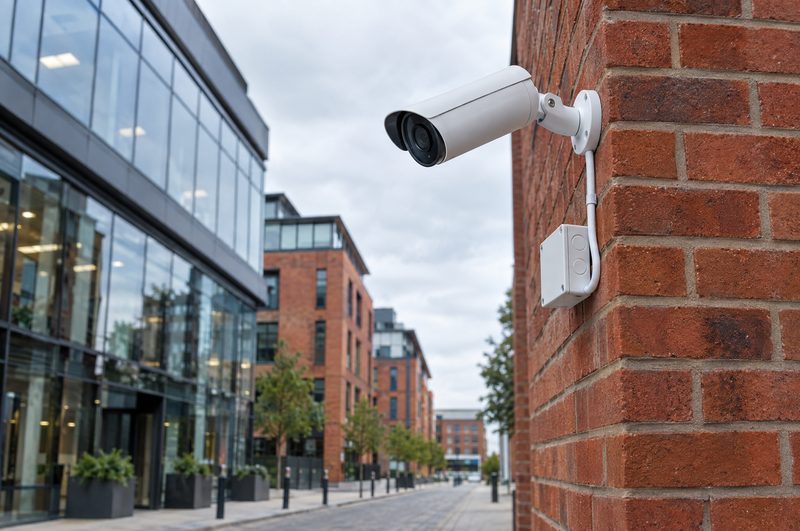
CCTV
Cameras checked recording, focused and positioned, storage capacity and retention confirmed, firmware updated.
Intruder alarms
PD 6662 and BS EN 50131, with frequency set by the alarm's grade.
What happens on a visit
The engineer signs in, confirms which systems are due, and works through the test regime for that system against its standard. Common spares are carried on the van, so a failed detector head, a battery, a lamp or a small part can usually be replaced there and then.
At the end of the visit the engineer completes the site log book entry, issues a service certificate, and sends a written report to the responsible person covering what was tested, what passed and what needs attention. Anything that affects the system's ability to protect the building is reported immediately, not left to appear in a report a week later.
02 / 03
The log book is the record that the responsible person's systems are actually being maintained.
Response times and call-outs
Faults reported during office hours are logged and prioritised the same day. Genuine emergencies, where a fire alarm or AOV system is not functioning, are treated as a priority and an engineer is scheduled as soon as one is available.
Who we work with
Mostly people responsible for other people's buildings: managing agents, RMCs, housing associations, facilities management companies, main contractors handing commissioning straight into a contract, landlords, schools and care homes, and commercial landlords with tenanted buildings. Whoever the responsible person actually is, we deal with them directly, and copy in the managing agent or facilities team where they are coordinating the contract.
Taking over a system someone else installed
You do not need to have used us for the install to put a system on maintenance with us. The first step is a takeover survey: an engineer checks the existing system against the standard it should be maintained to, checks it against any as-fitted drawings or previous records, and produces a written report on its condition, including what is out of date or needs remedial work first.
This comes up often when the original installer has gone out of business, stopped answering, or was never a specialist maintenance contractor. The responsible person still carries the legal duty to maintain the system regardless, and a takeover survey draws a clear line under where it actually stands.
Reporting, certification and the documentation pack
Every visit produces a certificate and a log book entry on site. Contract customers also get a documentation pack: a service history for every system on the contract, current certificates, and a record of outstanding remedial work with dates quoted and completed. This is the pack a fire risk assessor, an insurer or a building safety inspector asks for.
03 / 03
Reports, certificates and remedials in one pack, ready for an inspector or an insurer.
One engineer, one report, one log book entry per visit.
Fire alarm, AOV and smoke ventilation, and emergency lighting, all on one contract.
BS 5839-1Fire alarmWeekly test, service every 6 months
BS 9991AOV / smokeCause and effect tested annually
BS 5266-1Emergency lightingMonthly test, full annual duration test
Five quick questions, about a minute. We read every brief and aim to call you back within one working day, no obligation. Rather talk now? Call 01922 660923.
1 of 5System
FAQ
What responsible persons ask us.
Do I have to maintain a fire alarm or AOV system even if it has never gone wrong?+
Yes. The Regulatory Reform (Fire Safety) Order 2005 requires the responsible person to keep fire safety systems in efficient working order, regardless of whether a fault has ever shown up. A system with no recorded faults and no service history is not evidence it works, it is a gap in your paperwork.
Who counts as the responsible person?+
Usually the employer, building owner, landlord, or whoever has been formally given the duty, often via the managing agent. If you are not sure who holds the duty for your building, the fire risk assessment should name them.
Can you take over a system that was not installed by you?+
Yes. We survey it first, tell you honestly what condition it is in, and quote for any remedial work before it goes onto a maintenance contract.
What happens if we cannot find the log book?+
We start a new one from the takeover survey date and record everything from there. It does not erase the gap in history, but it stops the gap growing.
How much notice do you need to schedule a visit?+
Scheduled maintenance visits are planned months in advance as part of the contract calendar, so there is no notice needed on your end once the contract is set up.
Do you maintain systems you did not originally install?+
Yes, this is one of our most common jobs. See the takeover section above.